


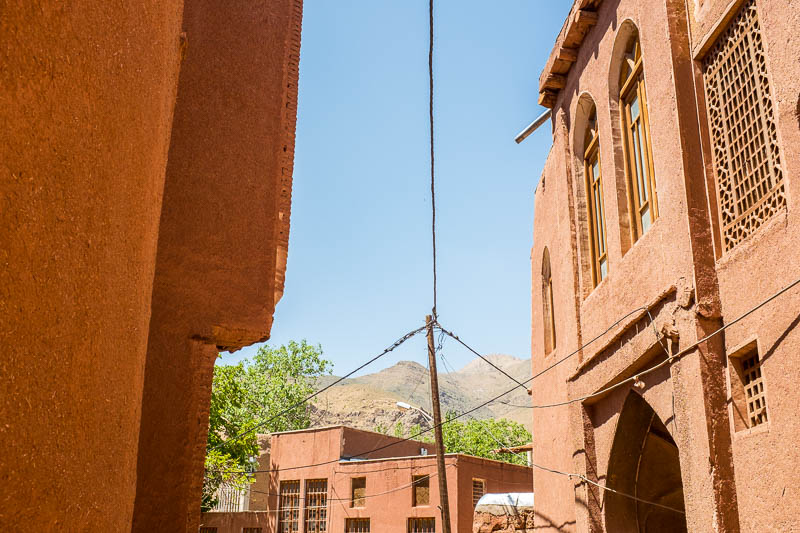
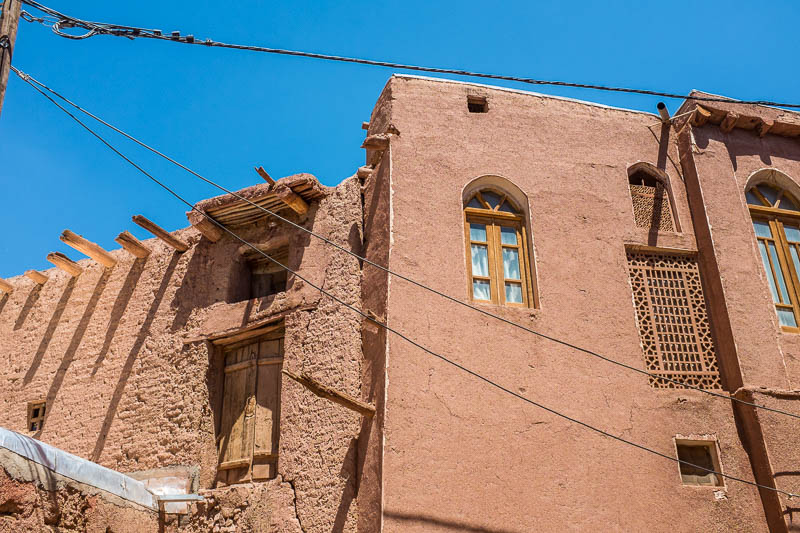
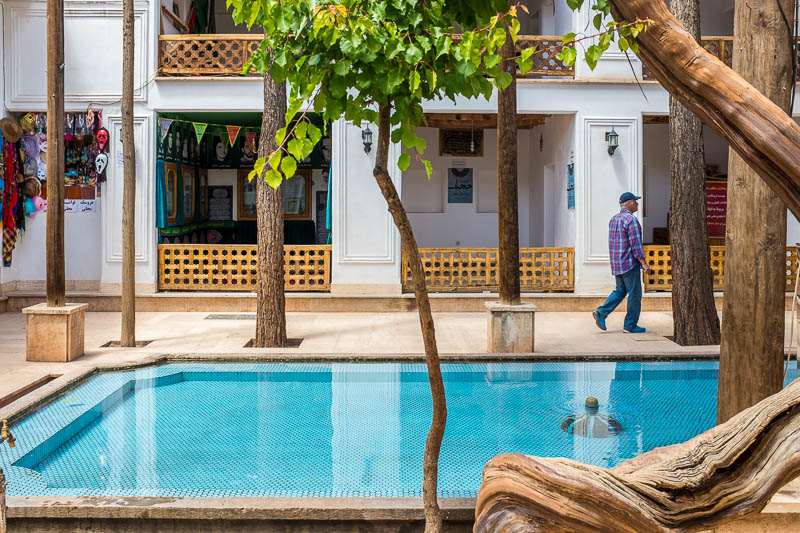
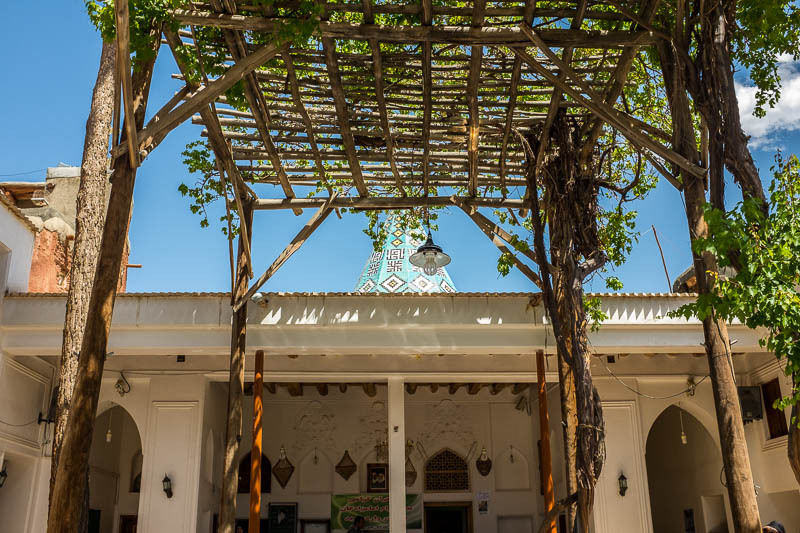
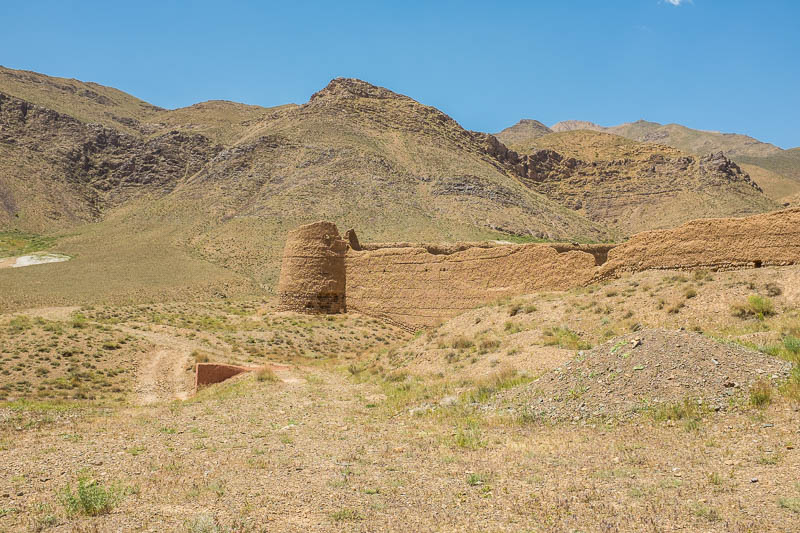
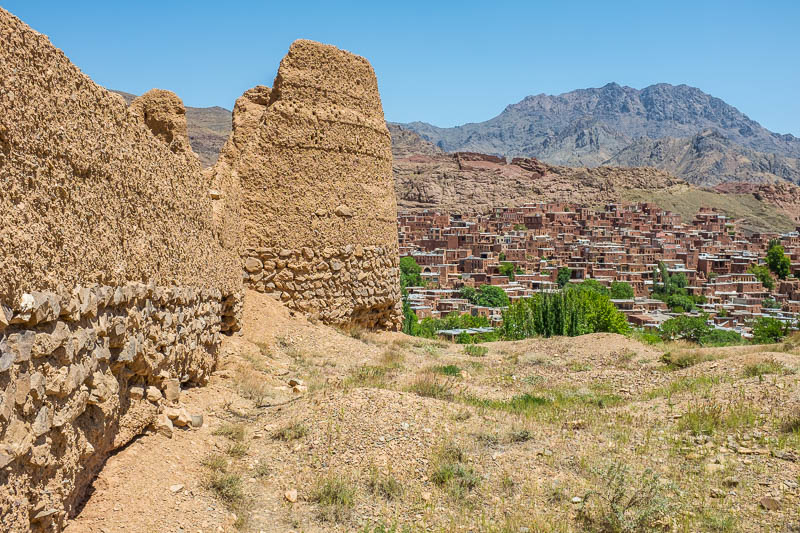
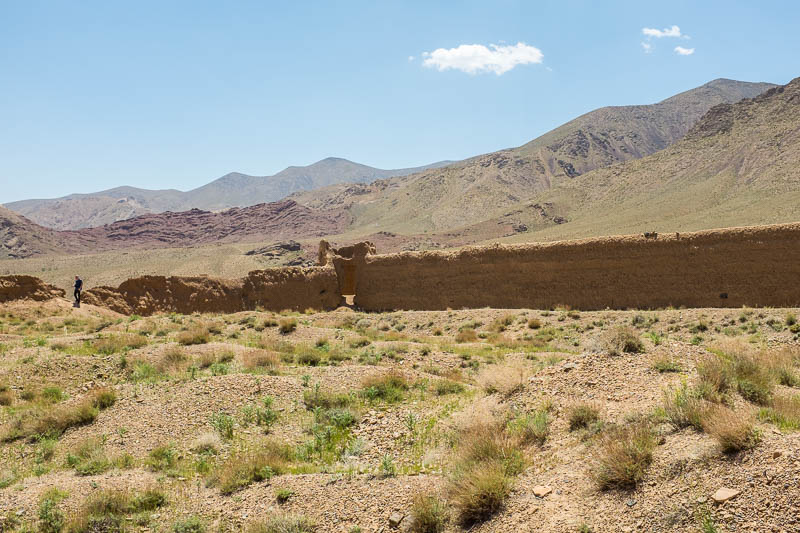
It’s not just the living culture that’s important in Abyaneh. The village itself is home to several important historical structures such as the 11th-century Jameh Mosque, 2 other Mosques, an ancient Zoroastrian fire-temple dating back to the Sassanid period and 3 castles.
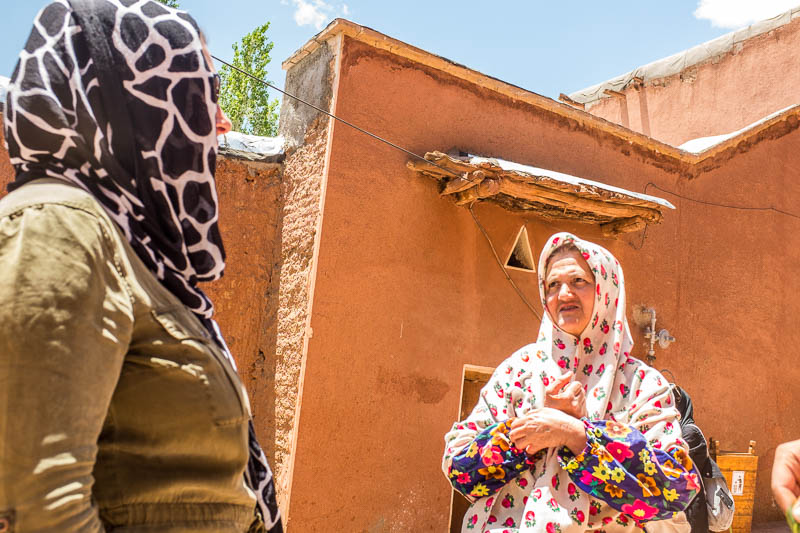
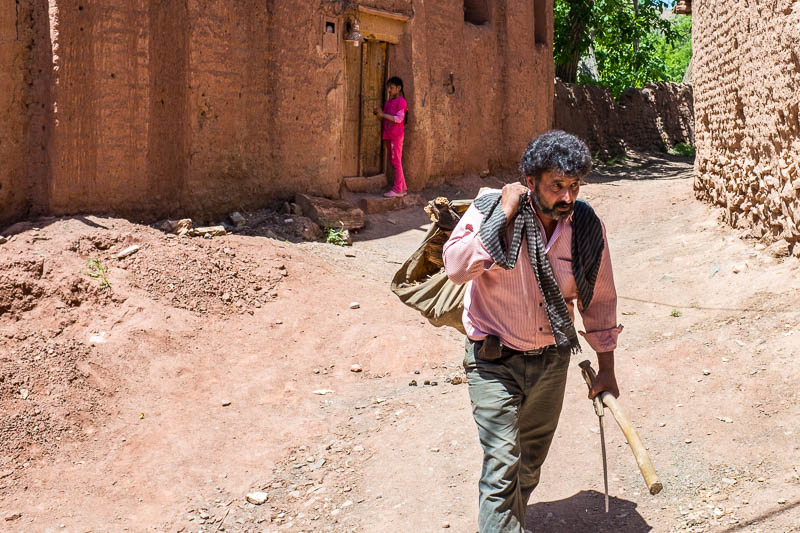
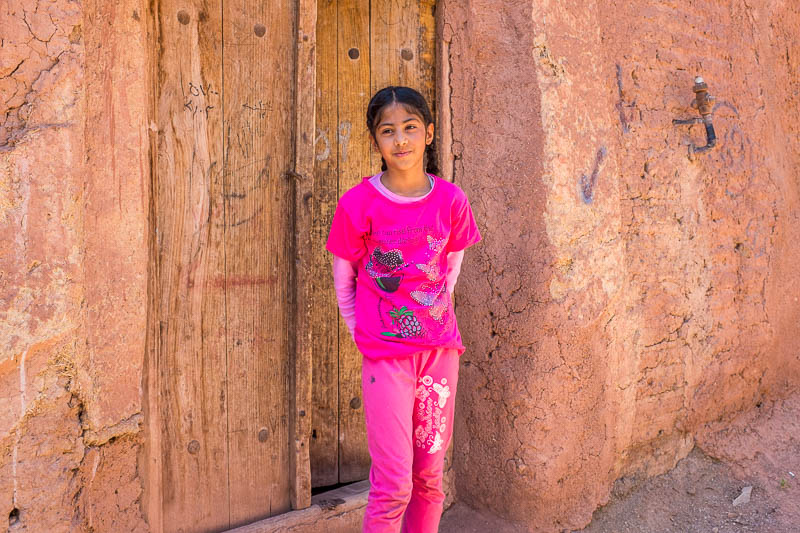
Traditional ways of life survive in Abyaneh, from the traditional Abyanaki costume worn by women (white long scarf with colourful floral designs and colourful dresses) to the local spoken dialect (which preserves elements of the old “Middle Persian” language) and the feasts and ceremonies held throughout the year. It’s a quiet village, home to only 300 or so residents who live in mud brick houses, the reddish hue coming from the iron oxide in the clay that is used to make the bricks.
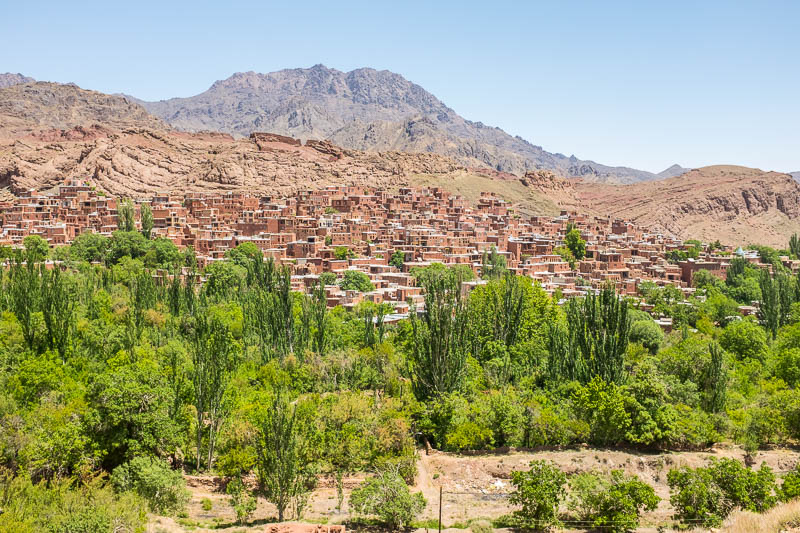
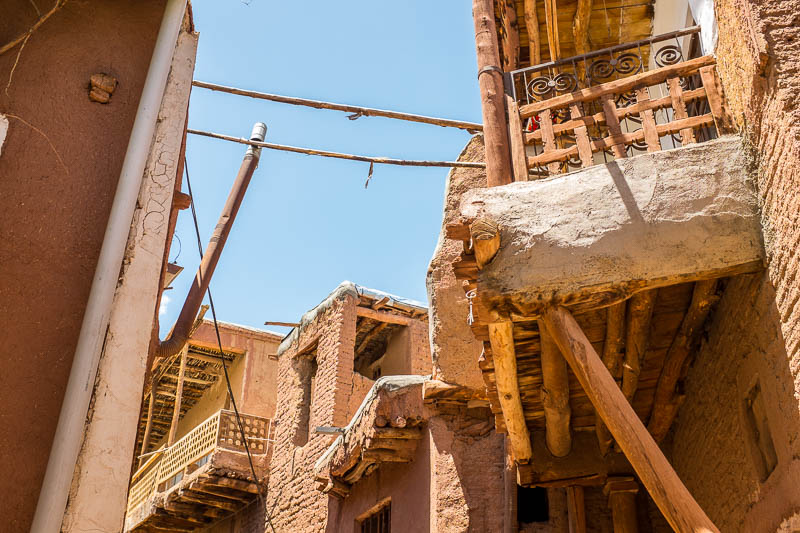
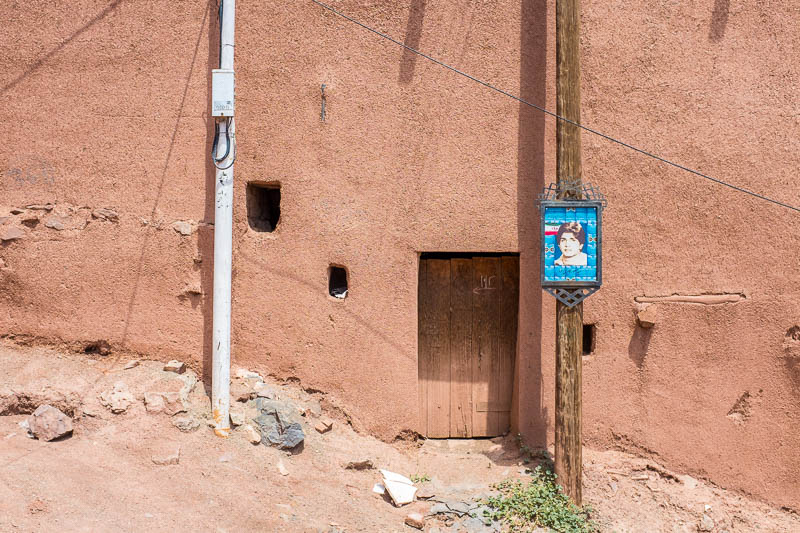
It’s not uncommon in Iranian villages to see photos or portraits of young men who were killed in the Iran-Iraq war of the 1980s. As the population of the village has declined (2,500 people used to live in Abyaneh at one stage) many of the houses have been left to ruin.
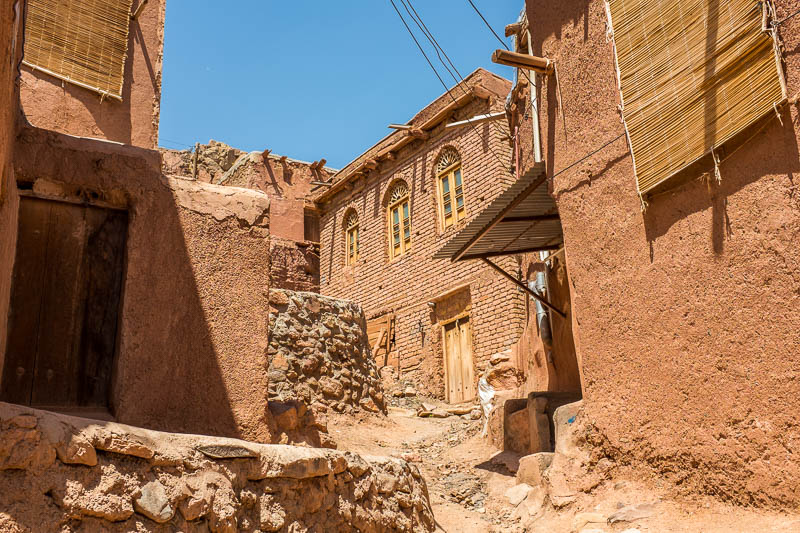
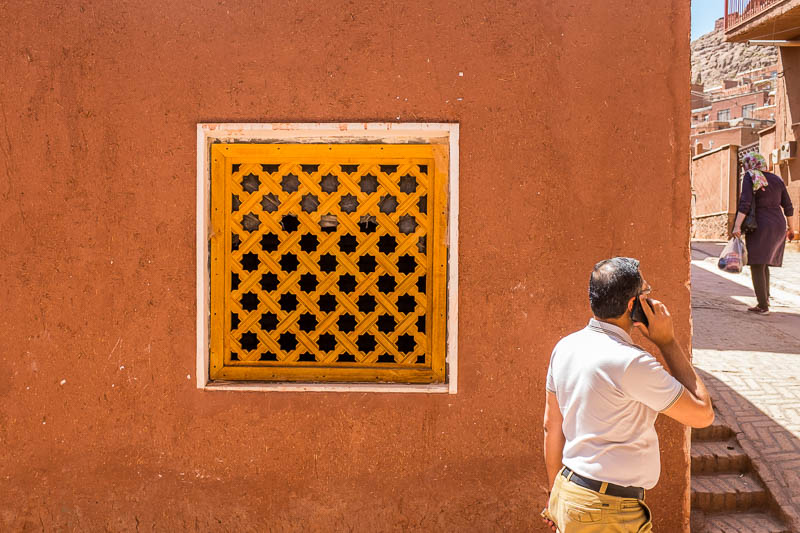
Abyaneh is unlike anywhere else in the world, and is well worth visiting if you want to experience a unique culture set in stunning surrounds. Visiting Abyaneh truly feels like being transported back in time to another world.