

. High-speed train advice, currency rules, local SIMs, and cultural etiquette for your trip.)
TRAVEL | Uzbekistan has rapidly transformed into one of Central Asia’s most accessible and rewarding travel destinations. Stepping onto the streets of Tashkent, Samarkand, and Bukhara, you’re met with a striking mix of 14th-century Silk Road history, Soviet-era modernist architecture, and a modern dining scene that goes well beyond the basics. Whether you catch an unseasonably cold spell that turns the capital grey and snowy or enjoy sun-drenched spring days at the markets, navigating the country is easier than ever. Here’s some of my key tips to help you prepare for your trip to Uzbekistan
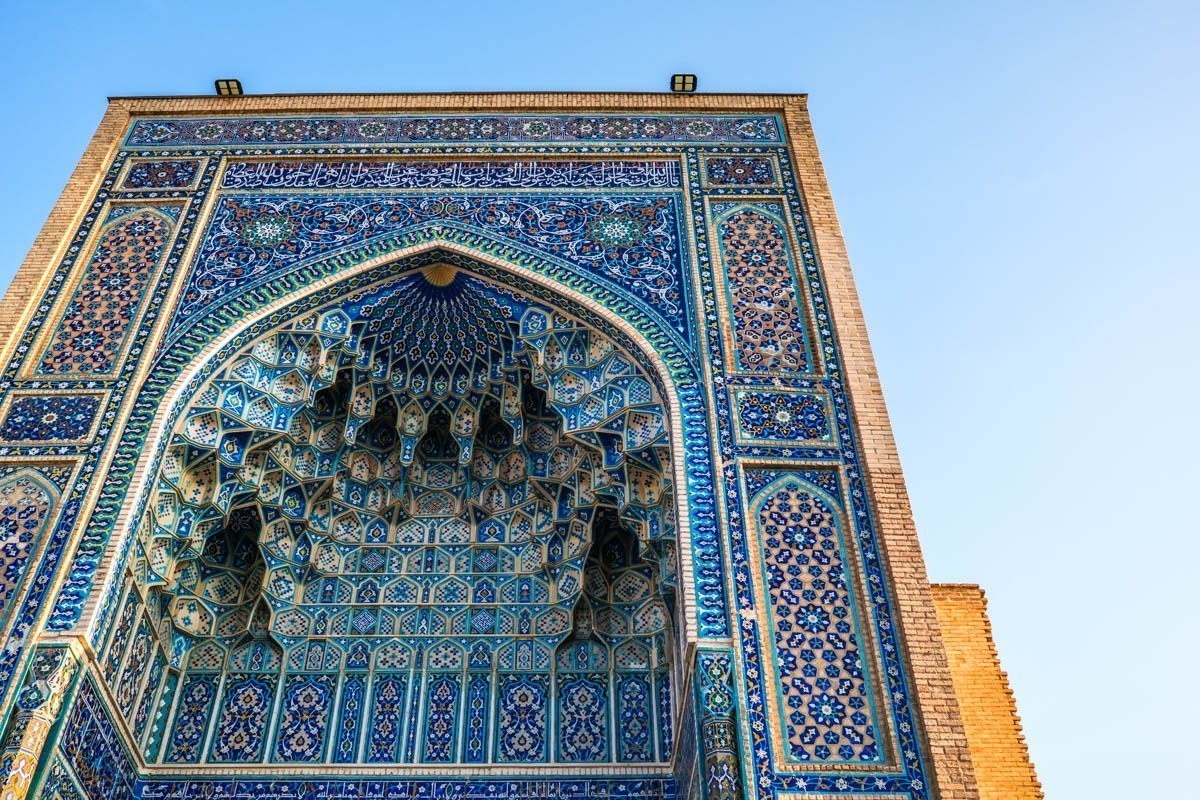
At-A-Glance: Essential Uzbekistan Travel Prep (2027)
| Category | Key Takeaway | The City Lane Tip |
| Visas | 30-day visa-free entry for 90+ nationalities; e-Visa for most others. | Check the official e-Portal at least 7 days before departure. |
| Transit | Afrosiyob high-speed train connects Tashkent, Samarkand, and Bukhara. | Book train tickets 45 days in advance as they sell out fast. |
| Money | Cards and Apple Pay work in major cities, but local markets need cash. | ATMs are widespread, but keep UZS cash on hand for small purchases. |
| Connectivity | Local eSIMs or physical SIM cards at airport arrivals. | Organise an eSIM in advance, or grab an Ucell or Beeline SIM at Tashkent Airport. |
| Accommodation | Hotel registration slips are automatically tracked, but keep backups. | Ensure every guesthouse or hotel registers you into the digital system. |
14 Things to Know Before Visiting Uzbekistan (2027 Guide)
1. Book the Afrosiyob High-Speed Train Early
The Afrosiyob bullet train makes travelling between Uzbekistan’s main cities very easy. Tashkent, Samarkand, Bukhara, and Khiva can be reached in half the time it takes to drive there, and the trains are modern and comfortable. Tickets open 45 days prior to departure on the official Uzbekistan Railways app and website, selling out rapidly during peak travel seasons. The website is quite fiddly and a little confusing too, so be sure you’re acquainted with it before you plan on buying your tickets.
- The City Lane Tip: If bullet train tickets sell out, book the slower, but still comfortable, Sharq train.
2. Always Have Some Cash Handy
Uzbekistan is modernising fast. Most places in the major cities, especially Tashkent, accept all major credit cards, Apple Pay, and Google Pay. However, smaller local restaurants, teahouses, and markets lean towards cash. ATMs are easy to access in Uzbekistan, so you don’t need to exchange cash before you arrive, but be sure you always have some Uzbek Som (UZS) handy.
- The City Lane Tip: Many shops in the markets and tourist areas accept USD as well as UZS.
3. Hotel Registration Slips Are Digital (But Keep Your Records)
Historically, travellers had to collect paper registration slips from every hotel to hand over to border control. Uzbekistan uses an automated electronic registration system (E-Mehmon), where hotels automatically register your passport upon check-in, but it’s a good idea to check that they’ve done it.
- The City Lane Tip: Ask your hotel for a printed or digital copy of your registration receipt just in case border officials request manual verification on exit.
Planning your accommodation across the Silk Road?
Check out my complete guide on Where To Stay In Uzbekistan: The Best Hotels In Tashkent, Samarkand & Bukhara for my top boutique and hotel picks.
4. Dress Respectfully at Active Religious Sites
Uzbekistan is a secular nation with a majority Muslim population. Day-to-day dress in major cities like Tashkent is modern and relaxed, but visiting active mosques, madrasahs, and sacred shrines requires modest attire. Outside of this, you don’t need to be worried about wearing a headscarf or anything like that.
- The City Lane Tip: Keep knees and shoulders covered, and carry a lightweight scarf to cover your head when stepping inside active places of worship like Shah-i-Zinda in Samarkand.
5. Don’t Let Cold Weather Dissuade You From Visiting
Summer temperatures in Central Asia regularly top 40°C (104°F). Like many destinations, spring and autumn are technically the best times to visit, weather wise. However, the cold weather has its bonuses. In the coldest month of the year, January, maximums are around 7 degrees Celsius and minimums rarely drop below 0 degrees Celsius. There’s also great snow-based winter activities to enjoy in the mountains.
- The City Lane Tip: I was in Tashkent during a particularly cold spell, and there was something so atmospheric about the vibe of the city and its modernist Soviet-era architecture that just popped in the grey and snow.

Fascinated by Central Asian modernist design?
Check out my dedicated guide to Tashkent’s Soviet-Era Brutalist Architecture for my favourite modernist structures, residential towers, and civic monuments across the city.
6. Use Yandex Go Instead of Taxis
Traditional street-hailing taxis often involve haggling and language barriers. There’s no Uber in Uzbekistan, but Yandex Go is much the same, providing upfront fixed pricing and card or cash options. I added my Australian credit card when I got to Uzbekistan and used Yandex Go all the time (it’s also great for food delivery from local restaurants if you’re looking for a quiet meal in the hotel but still want local food).
- The City Lane Tip: You can’t add your credit card to Yandex while outside of Uzbekistan, but it’s easy to do once you’re in the country. I did it on arrival at the airport, when I connected to the free airport Wi-Fi, and got a Yandex Go to the centre of Tashkent. And yes, almost all of the cars in this country are Chevrolets. It’s an interesting story that I might write about sometime.
7. Local SIM Cards Are Cheap and Essential
Buying a local SIM card (Ucell, Beeline, or Uztelecom) upon landing at Tashkent International Airport takes under 10 minutes with your passport. Even easier, organise one in advance using a service like TravelKon (who I used), or Airalo (also good, but more expensive than TravelKon these days).
- The City Lane Tip: Make sure your mobile phone is unlocked before leaving home so you can use a local SIM as soon as you arrive.
8. Check Museum Renovation Schedules Before You Go
Uzbekistan is currently investing heavily in updating its tourism infrastructure, which means several major state-run museums are undergoing multi-year renovations. While this is great long-term news for the city’s tourism profile, it means interior galleries (such as the State Museum of History of Uzbekistan or the State Museum of the Temurids) might be closed when you visit.
- The City Lane Tip: Don’t skip these sites just because the interiors are closed. Many of these Soviet-era and post-independence buildings feature remarkable exterior architecture. The concrete panzhara sunscreens on the History Museum and the blue cupola of the Temurid Museum, for example, are well worth seeing from the outside.
9. Ride the Tashkent Metro for Architecture (And Tap with Your Card)
The Tashkent Metro was the first underground transit system in Central Asia, opening in 1977, and its stations were designed like subterranean museums. Featuring marble, chandeliers, mosaics, and Soviet-futurist themes, stations across the Chilonzor (red) and Oʻzbekiston (blue) lines portray a utopian vision of history and design. Navigating the system is cheap and seamless. You don’t need a transit pass, as you can tap and go at the turnstiles using a contactless credit card or Apple/Google Pay for around UZS 1,700–3,000 (roughly $0.20 AUD) per ride.
- The City Lane Tip: Set aside two to three hours outside of peak times for a dedicated station crawl. As long as you don’t exit through the turnstiles, a single ride fare covers your entire journey underground.

Exploring the capital’s underground architecture?
Read my detailed feature on A Guide To Tashkent’s Best Metro Stations to discover the most impressive Soviet-era stations.
10. Haggle Respectfully in the Silk Road Trading Domes
In historic Silk Road trading hubs like Bukhara, artisan markets are still housed inside centuries-old vaulted trading domes (toqis). You’ll find incredible hand-crafted suzani embroideries, handwoven silk, ceramics, knives, and carpets alongside mass-produced souvenirs. Ticket and shop prices in tourist-heavy zones are set higher with the expectation that you will negotiate.
- The City Lane Tip: Do a bit of research on what you want beforehand, keep the interaction friendly and social, and haggle until you reach a price that feels acceptable to both you and the shopkeeper.
11. Sample Regional Varieties of Plov (And Expect Double Carbs)
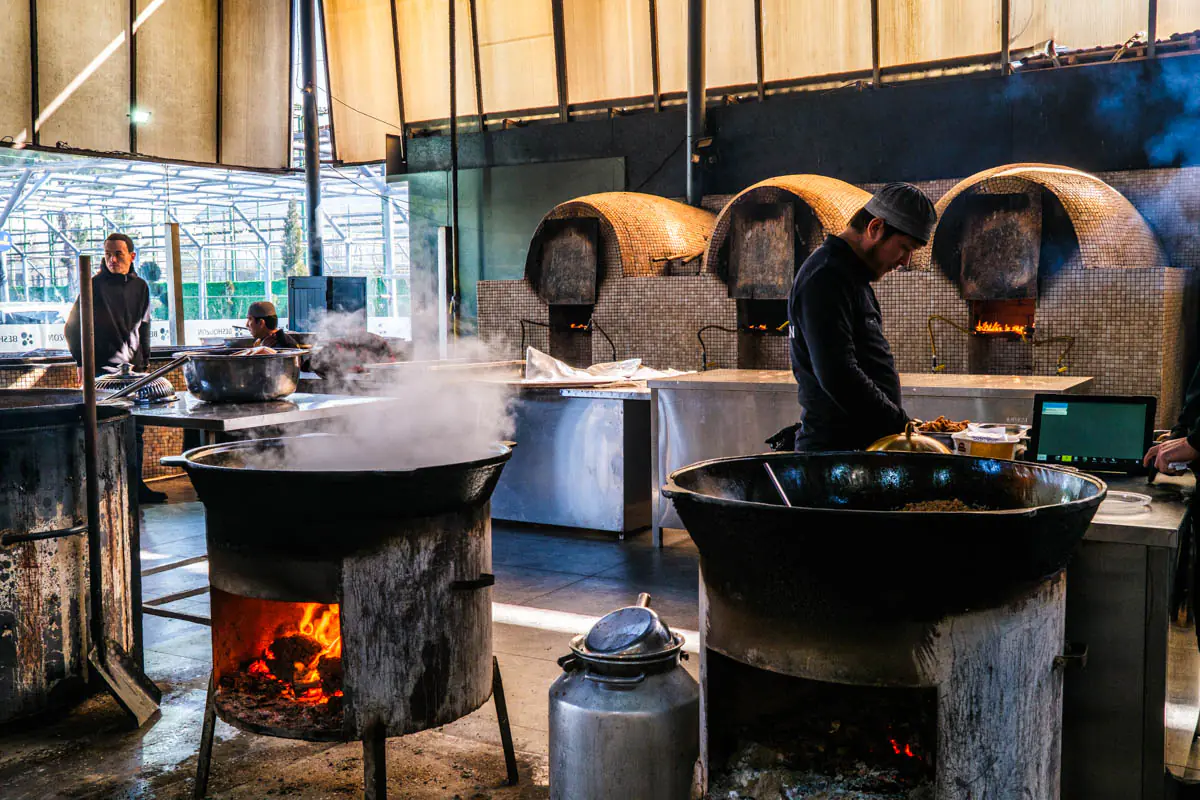
Plov (savoury rice pilaf topped with tender beef or lamb, yellow carrots, and spices) is the national dish of Uzbekistan and a point of immense local pride. Every city cooks its own distinct regional style. Tashkent style uses raisins and chickpeas, while Samarkand plov is served layered rather than mixed. Uzbek meals are heavy and rich, traditionally cooked in lamb fat, and almost always accompanied by fresh non bread, so expect to double-carb on rice and bread at almost every meal.
- The City Lane Tip: Visit Besh Qazan (Central Asian Plov Centre) in Tashkent to see giant cast-iron cauldrons feeding hundreds of locals daily. Look for pickled Korean-Uzbek side dishes like morkovcha (spicy carrot salad) or raw sliced radishes to help cut through the rich lamb fat. If you want an lighter option, they also have an olive oil version.
12. Yes, You Can Drink Alcohol In Uzbekistan
Despite being a majority-Muslim country, Uzbekistan is secular with a vibrant nightlife and deep viticultural roots. It is the largest producer of wine in Central Asia, with winemaking traditions dating back to ancient Silk Road trade and expanded during the 19th century and Soviet era. You’ll find lively craft beer pubs in Tashkent, wine-tasting cellars in Samarkand (like the historic Khovrenko Winery), and cocktail bars across major tourist hubs.
- The City Lane Tip: Order a bottle of local Saperavi or Bagizagan red wine at dinner, or visit a local tasting room to sample regional varieties made from Tien Shan foothill grapes.
13. Sample Regional Cuisines Across Central Asia
Because of its central location on the Silk Road, Uzbekistan’s major cities are incredible hubs for neighbouring regional food cultures. Beyond national staples like plov and samsa, you can easily find authentic Uyghur hand-pulled lagman noodles, Georgian khachapuri and khinkali, Kazakh beshbarmak, and Turkmen regional specialties.
- The City Lane Tip: Seek out Uyghur-run eateries in Tashkent or Bukhara for bosso lagman (pan-fried hand-pulled noodles with beef and peppers), or head to local favourite Pro Khinkali in Tashkent for Georgian dumplings.
14. Stick to Bottled Water
Tap water in Uzbekistan is not safe to drink for travellers, even in major cities like Tashkent. Unfiltered tap water can easily cause stomach upset and disrupt your trip.
- The City Lane Tip: Always use bottled or filtered water for drinking. Bottled water is cheap and readily available at every corner store and market across the country. Note that most hotels will have filtered tap water which is safe, but be sure to check in advance.
Heading to the capital? Check out my Tashkent Food Guide for the best plov centres, bazaars, local eateries, wine bars, and specialty coffee spots across the city.