


TOKYO | Japanese is one of my favourite cuisines and, over the years and across many trips to Japan, I have eaten a lot of it. Back when I first visited, I thought I had a pretty good grasp on what Japanese food was about, but it only took a few days to realise that what I knew barely scratched the surface. Returning to Japan, and in particular, Tokyo, time and again, I’ve loved seeing how the capital’s food scene has evolved, while keeping food standards consistently higher than almost anywhere else in the world.
What never ceases to amaze me is the sheer volume of places offering something to eat and drink. Many of Tokyo’s food spots are tiny, tucked down alleyways, in basements, and stories up in high-rise buildings. The phrase “follow your nose” is entirely apt here. No matter how many places I have on my list, and how much research I do, I always leave space and time for unplanned visits to spots that look interesting, and are filled with locals.
My advice is to use my Tokyo food guide help you build your list. Of course, go and visit the places that look interesting to you – you can’t go wrong with any of these spots. But don’t let the list restrict you. Follow your nose and make your own discoveries. First written back in 2014, this guide has been consistently updated over the years with every return visit to the capital. Are any of your favourites listed below?
Quick Jump Index
Ramen | Izakaya & Small Plates | Tonkatsu | Sushi & Seafood | Eel & Edo Cuisine | Soba & Udon | Sukiyaki & Hot Pot | Yōshoku & Burgers | Buddhist Temple Food | Craft Beer Bars | Cocktail & Record Bars | Coffee, Tea & Sweets | Department Stores & Essentials
At-A-Glance: Tokyo’s Best Food & Drink
| Venue | Neighbourhood | Style / Speciality |
| AFURI (Azabujuban) | Minato | Yuzu-infused shio and shōyu ramen |
| Akomeya Tokyo | Ginza | Gourmet food store dedicated entirely to rice |
| Baird Taproom (Takadanobaba) | Shinjuku | Artisanal craft beer and izakaya bites |
| Bar High Five | Chūō (Ginza) | World-famous custom Bespoke cocktails by master Hidetsugu Ueno |
| Beniton | Chūō | Lively, affordable salaryman dive bar and izakaya |
| BLOW UP | Shibuya | Rare groove, soul, and vinyl record bar |
| Craft Beer Bar iBrew | Yaesu / Ginza | 40 rotating taps of Japanese and international craft beer |
| Craft Beer Market (Kichijoji) | Kichijoji | Competitive pricing on 30 Japanese craft beer taps |
| Deli Fu Cious | Meguro | Michelin-trained sushi chef’s umami fish burgers |
| Devil Craft | Chūō | US craft beer and Chicago-style deep-dish pizza |
| Family Mart | Various | Essential convenience store for ATMs, snacks, and egg salad sandos |
| GALALI | Shibuya | Modern izakaya focusing on charcoal seafood and a 12-salt menu |
| Goodbeer Faucets | Shibuya | 40+ taps of Japanese, American, and Belgian craft beer |
| Hakuyotei Curry | Chiyoda | Rich, spicy panko pork cutlet katsu curry |
| Hasegawa Saketen | Chiyoda | Premium sake tasting and bottle shop |
| Hitachino Brewing Lab | Chiyoda | Kiuchi Brewery beers on tap inside a historic station building |
| Izakaya Beer Boy | Kichijoji | Rare and extreme craft beers paired with yakitori |
| Ippodo Tea | Chiyoda | Historic 300-year-old Kyoto green tea specialist |
| Isomaru Suisan | Chiyoda | 24/7 seafood izakaya with incredible karaage |
| Itosho | Minato | Michelin-starred traditional shōjin-ryōri (Buddhist temple food) |
| Jeremiah | Shinjuku | 19th-century NY saloon cocktail bar with Japanese twists |
| Kanda Coffee | Chiyoda | Specialty filter coffee by day, small bar by night |
| Kanda Matsuya | Chiyoda | Historic 1884 Edo-style hand-rolled buckwheat soba |
| Karakuri Craft Beer & Oden & Sake | Chiyoda | Craft beer paired with delicate dashi oden |
| Katsukura | Shinjuku | Renowned Kyoto-style tonkatsu inside Takashimaya |
| Kirishima Jidori | Minato | Regional Kirishima chicken dishes and rare chicken sashimi |
| Koffee Mameya | Shibuya | Exquisite bespoke specialty coffee bean boutique and tasting bar |
| Komakata Dozeu | Taitō | Historic 1801 restaurant specialising in traditional Edo dozeu nabe |
| Land Bar Artisan | Minato (Shinbashi) | Intimate 6-seat hidden gem for bespoke fruit cocktails |
| Maisen | Shibuya | Legendary kurobuta pork tonkatsu in an old bathhouse |
| Maishin | Shibuya | Hidden basement bar with expert sake pairings |
| Mikkeller Bar | Shibuya | 20 rotating taps, Danish smørrebrød, and a Rick Astley bathroom |
| Mos Burger | Various | Japanese fast food chain famous for rice-patty burgers |
| Nakaya | Chūō | A cautionary tale of mistaken Tsukiji sushi spots |
| Onibus Coffee | Meguro | Specialty roastery with traditional Japanese design |
| Omoide Yokochō | Shinjuku | Atmospheric post-WWII network of tiny yakitori alleyways |
| Ramen Marutama Ryogoku Honten | Sumida | Delicate white chicken-based broth ramen with aosa seaweed |
| Sarutahiko Coffee | Shibuya | Specialty roastery located inside a bookstore and travel agent |
| Seirinkan | Meguro | 24-year-old rock and roll Tokyo-Neapolitan pizzeria |
| SG Low | Shibuya | Lower East Side-inspired speakeasy izakaya with truffle mac & cheese |
| Shinjuku Golden Gai | Shinjuku | Historic network of 200+ tiny, atmospheric micro-bars |
| Sanyu-ken | Setagaya | Suburban neighbourhood shōyu ramen |
| Santouka | Shibuya | Hokkaido-style ramen with melt-in-the-mouth pork cheek |
| Sushi Marufuku | Suginami | Michelin-listed sushi specializing in aged seafood |
| Sushi Zanmai | Taitō | Reliable 24/7 sushi chain with fresh counter prep |
| Takamaru | Shinjuku | Bustling seafood izakaya and fishmonger |
| Tamai | Chūō | Historic 1953 specialist in Edo-mae anago (conger eel) hakomeshi |
| Titans Craft Beer Taproom | Toshima | North American craft beer imports and bottle shop |
| Torimero | Minato | Boisterous 199 yen draft beer and yakitori gastropub |
| Tori Tamura | Shinjuku | Lively basement hole-in-the-wall yakitori specialist |
| Usagi | Shibuya | Outstanding shoyu ramen, tantanmen, and gyoza set to Nujabes beats |
| Verve Coffee Roasters | Shinjuku | Sunny California specialty coffee overlooking Shinjuku Station |
| Wagyumafia District | Shibuya | High-end wagyu burgers featuring the legendary Big Wag |
| Watering Hole | Shinjuku | 21 rotating taps of top Japanese microbrews and organic bites |
| Yakitori Horse Market (Marukashi Kanda) | Chiyoda | Vibrant Kanda izakaya for charcoal skewers and squid sashimi |
| Yoshihashi | Minato | Hidden Michelin-starred lunchtime sukiyaki |
Ramen
Ramen is one of Japan’s most globally famous dishes. It’s a bowl of wheat noodles in a soy and/or miso flavoured meat or fish stock soup, along with a variety of toppings such as sliced pork, kamaboko (fish cake roll), nori (dried seaweed), spring onions, and a poached egg. It’s a popular meal all over Japan, and each region has its own version. In Tokyo, a common type of ramen uses a light, soy-flavoured chicken broth and thin, curly noodles.
AFURI (Azabujuban)

AFURI is one of several branches of the popular ramen chain that has expanded across Japan and internationally since opening in 2004. Walk inside and you’re greeted with a light, modern space featuring an open kitchen surrounded by a wooden bar with stools.
At the front is a ticket vending machine where you place your order and pay. While there are several options on the menu, you should order what AFURI is famous for: yuzu-based shio (salt) and shōyu (soy sauce) ramen. The delicate broth is made with chicken, fish, and konbu, infused with fresh yuzu. It is served with thin noodles, half an ajitama egg, grilled chashu pork, nori, greens, and sliced yuzu peel. It offers a wonderfully light, unique citrus flavour that makes a refreshing change from heavier tonkotsu broths. English menus are available.
1-8-10 Azabujuban, Minato-ku, Tokyo 106-0045
Ramen Marutama Ryogoku Honten
Ramen Marutama Ryogoku Honten is a Tokyo-based ramen chain that has expanded across Asia, though its original store near Ryogoku Kokugikan national sumo stadium feels entirely local and historic.
What separates Marutama from other ramen spots is its broth. Unlike common pork-based broths, Marutama uses a white, chicken-based broth that is light and delicate, achieved through six hours of slow simmering. The basic bowl comes with curly noodles and tender chashu pork slices. A highly recommended addition is aosa, a rare estuarine sea lettuce that adds incredible umami depth, along with an onsen egg.
2-11-1 Sumida-ku, Tokyo 130-0026
Santouka
Santouka offers a variety of Hokkaido-style ramen dishes. We went with the recommendation of a friend of a friend: the Tokusen Toroniku Ramen (Choice Pork Ramen). Unlike most ramen, this bowl came out with the noodles and broth in one bowl and the toppings in another.
The pork cheek was extremely rich, flavoursome, and tender, with fat that silky-smoothly melted in the mouth. Santouka is a successful chain that maintains exceptional quality and consistency across its branches, and the Shibuya branch stands out as truly exceptional.
Gojo Building, 1st Floor, 3 Chome-13-7 Shibuya, Shibuya-ku, Tōkyō-to
Sanyu-ken
My wife and I stumbled across this place while looking for something else. Turn left when you exit Ikenoue Station (on the Keio Inokashira Line), and a 30-second walk brings you to this small spot. The friendly chef shuffled down a seat so we could squeeze in. Presented with a completely Japanese menu where no English was spoken, we simply pointed at what others were ordering.
It was amazing to watch the cook manage two huge stock and noodle pots while preparing multiple dishes simultaneously. Out came a big bowl of Tokyo-style shōyu ramen along with bamboo rice, vegetables, and a dumpling. It was all exceptionally tasty.
2 Chome-42-11 Daizawa, Setagaya-ku, Tōkyō-to
Usagi

Usagi is my favourite ramen shop in Tokyo. Located about a 10-minute walk from Shibuya Station near Shinsen Station, this small, narrow space features a wooden bar surrounding an open kitchen with room for about 12 patrons.
A light, additive-free shoyu broth forms the base of the ramen here. While the standard shoyu ramen with springy noodles, chashu, and onsen egg is fantastic, the standout is the tantanmen. A Japanese riff on Chinese dan dan noodles, Usagi’s tantanmen pairs spicy shoyu broth with vibrant red chilli oil, Sichuan pepper, minced pork, scallions, and house-made peanut butter. The balance is exquisite. Do not miss their gyoza either—pan-fried on one side with the perfect filling-to-skin ratio. As a bonus, the venue plays mellow jazz-infused hip-hop by Nujabes, whose brother owns the shop.
8-13 Shinsenchō, Tokyo 150-0045
Izakaya & Small Plates
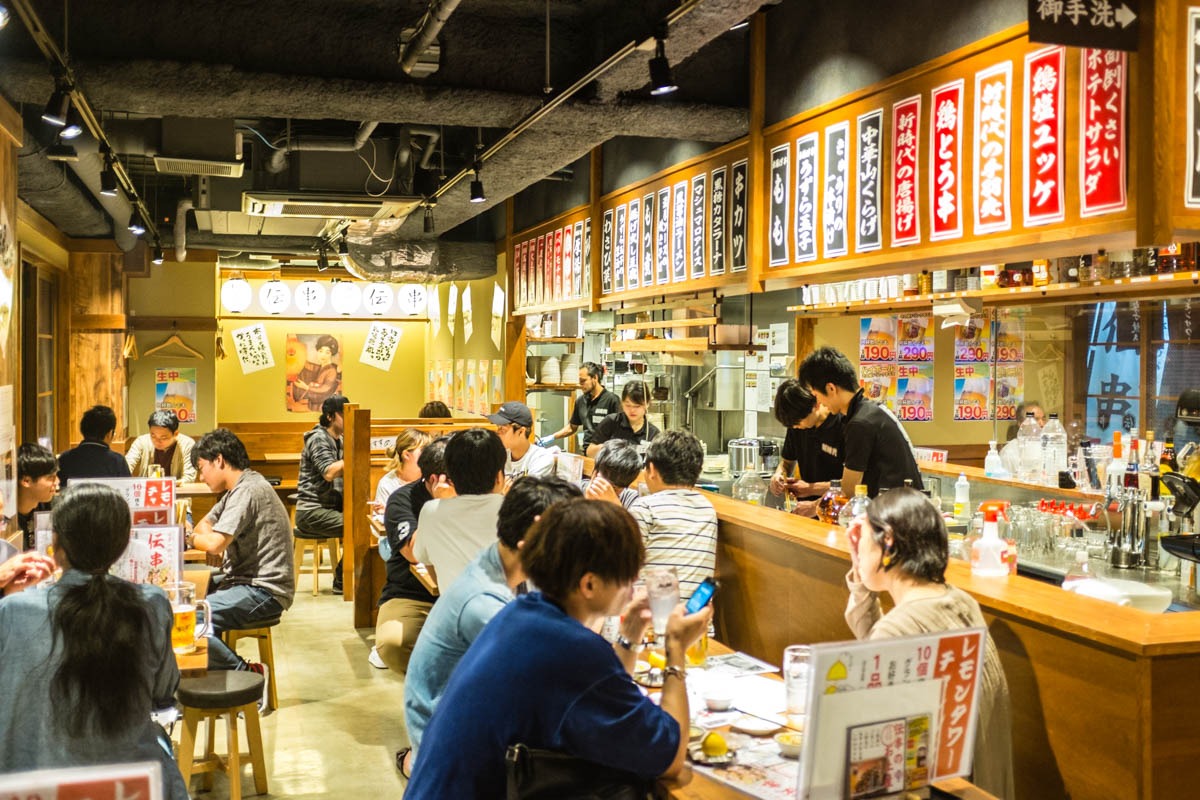
An izakaya is a casual venue serving food and drinks. Similar in style to Spanish tapas bars, menus feature a range of small dishes ordered progressively throughout the night. The atmosphere is informal, typically centred around an open kitchen with counter seating and standard tables.
Beniton
My wife and I wanted to eat at Butcher Brothers, but it was full, so we ducked into this nearby venue packed with salarymen winding down after work. Located in Kanda—an area historically known for dive bars—the atmosphere was loud, vibrant, and delightfully unpretentious.
The menu was entirely in Japanese, but the server understood enough English for us to ask for “whatever was popular.” She brought out comforting bar food: spicy cabbage dipping sauce, mustard-accompanied beef skewers, sizzling pork with grated daikon, and fried chicken with mayonnaise. Excellent value and wonderful energy.
4 Chome−2−17 Nihonbashimuromachi, Chūō-ku, Tōkyō-to
GALALI
GALALI is a sophisticated, modern two-storey izakaya popular with the local lunch and after-work dinner crowds.
The menu focuses on charcoal-grilled seafood and seasonal vegetables executed with incredible attention to detail. Notably, the restaurant features an entire menu page dedicated to 12 different kinds of specialty salt. Lunch sets offer smoked fish with daikon and grilled chicken thigh served with rice and traditional soup. Downstairs counter seating makes it welcoming for solo diners.
3-6-5 Jingūmae, Shibuya-ku, Tokyo 150-0001
Kirishima Jidori
Kirishima Jidori is a restaurant specialising in regional chicken dishes from Kirishima. With no English menu, we relied on our group’s basic Japanese to let the staff guide our meal.
The signature assorted Kirishima regional chicken sashimi plate—featuring raw breast, thigh, gizzard, skin, and liver served with vinegar miso and soy dipping sauces—is a revelation in texture and mild flavour. Cooked options like garlic chicken thigh and miso-marinated charcoal-grilled Kurobuta pork are equally stellar, paired with an extensive selection of shochu and sake.
3-2-3 Minamiaoyama, Minato-ku, Tokyo 107-0062
Isomaru Suisan

Isomaru Suisan is a popular 24/7 seafood izakaya chain with a beach-hut aesthetic. Despite specialising in seafood, we noticed tables late at night devouring bowls of karaage.
Following suit, we ordered a serve and discovered some of the tenderest, crispiest, most flavourful fried chicken we’ve tasted in Japan. Crispy chicken skin and gyoza round out a late-night menu that guarantees a great feed at any hour.
1-16-10 Sotokanda, Chiyoda-ku, Tokyo 101-0021
Omoide Yokochō
Omoide Yokochō (Memory Lane)—or *Shonben Yokochō* (Piss Alley) as locals call it—is a network of tiny alleyways packed with roughly 50 miniature izakayas. Emerging in the post-WWII era, the area retains a unique, timeless atmosphere.
Squeezing into a packed counter space, we ordered simple skewers of yakitori. My salt selection featured skin, thigh, liver, breast cartilage, breast, and heart, while my wife’s sauce option added a sweet glaze and green pepper skewer. Fast, delicious, and an essential Tokyo experience.
Yoyogi, Shinjuku-ku, Tōkyō-to
SG Low

Hidden behind an unassuming door in an old Shibuya office building, SG Low comes from award-winning bartender Shingo Gokan’s SG Group. Inspired by New York’s Lower East Side and Tokyo’s Shibuya, it functions as a speakeasy izakaya blending world-class cocktails with comfort food twists.
Highlights include loaded ‘okonomiyaki’ fries, truffle mentaiko mac and cheese, and raw wagyu handrolls. For the ultimate umami indulgence, order the uni and bone marrow noodles finished tableside. Pair your meal with one of 20 variations of lemon sours.
2F, NC Building, 1-9-4 Jinnan, Shibuya-ku, Tokyo 150-0041
Takamaru

Takamaru operates as both a bustling izakaya and a fishmonger sourcing direct from Tokyo’s top markets each morning.
Known for its generous seafood rice bowls, you must try the “Akadon” (grilled salmon and salmon roe) or “Kurodon” (tuna). The mixed sashimi moriawase, raw tuna tartare, and giant ebi-fry (fried shrimp) are unmissable.
7-15-1 Shinjuku-ku, Tokyo 160-0023
Taishū Sumibiya-tori Okuman Jinbōchō-ten
Taishū Sumibiya-tori Okuman Jinbōchō-ten is a Kanda izakaya open until 3:00 am daily. Stumbling in early in the morning, we were greeted by the unmistakable aroma of charcoal yakitori and a room full of local salarymen.
With no English spoken, we used Google Translate to show the grill master “chef’s choice” alongside our beer orders. Moments later, a sizzling plate of skin, thigh, liver, and heart arrived. A brilliant reminder to follow your nose in Tokyo.
3-10-26 Kanda Ogawamachi, Chiyoda-ku, Tokyo 101-0052
Torimero (Gaienmae Stadium Street Store)
Torimero is a boisterous basement izakaya gastropub specialising in affordable yakitori and cheap 199 yen Asahi Super Dry draft beer.
It’s an energetic spot ideal for group drinks and quick bites. Highlights include negima (thigh and leek), kawa (skin), kokoro (heart), and tsukune (chicken meatballs).
Basement, 2-12-13 Kitaaoyama, Minato-ku, Tokyo 107-0061
Tori Tamura

Tori Tamura is a hidden-gem hole-in-the-wall izakaya located just around the corner from Shinjuku Station.
Taking a seat at the bar, you can watch the chefs expertly grill every part of the chicken over charcoal—from breast and thigh to skin, heart, and cartilage. Paired with Japanese beer, highballs, or sake, it’s an effortlessly welcoming spot open until 3:00 am.
3-7-7 Shinjuku-ku, Tokyo 160-0022
Yakitori Horse Market (Marukashi Kanda)
Yakitori Horse Market (Marukashi Kanda) was discovered on our final night in Tokyo while wandering Kanda. Filled with local office workers enjoying charcoal skewers and yuzushu, we communicated our trust to the waiter, who brought out reassembled squid sashimi and superb yakitori (negima, kawa, neba, nankotsu). An authentic neighbourhood discovery.
1-5-3 Kuzimachi, Chiyoda-ku, Tokyo 101-0044
Tonkatsu
Pork katsu (tonkatsu) is widely popular across Japan. Loin (rōsu) or fillet (hire) pork cutlets are coated in panko breadcrumbs—which have a larger surface area resulting in a lighter, crunchier crust than Western breadcrumbs—then deep-fried. It is traditionally served with shredded cabbage, rice, and a Worcestershire-style tonkatsu sauce.
Katsukura
Katsukura brings its famous Kyoto-style tonkatsu to Tokyo via its branch on the 14th floor of the Takashimaya Department Store in Shinjuku.
Whether you opt for the loin (rōsu) or fillet (hire), the pork is impeccably cooked—juicy inside and crisp without being oily. The loin is particularly popular because the meltingly rich fat adds extra juiciness. Sets come with rice, endless cabbage, miso soup, and a wonderful punchy yuzu salad dressing that you’ll want to buy a bottle of to take home.
Takashimaya Department Store 14F, 5-24-2 Sendagaya, Shibuya-ku, Tokyo 151-0051
Maisen

Maisen is widely considered one of the best places for tonkatsu in Tokyo. Housed inside a former public bathhouse in Aoyama, the soaring timber-accented space is classy and light-filled.
You should go for the signature kurobuta tonkatsu (Berkshire black pork), famed for its high fat content and juiciness—the wagyu beef of pork. It’s incredibly tender, with fat that melts on the tongue, and buttery, light breadcrumbs.
4-8-5 Jingumae, Shibuya-ku, Tōkyō-to
Tonkatsu Suzuki
Located in “Kitchen Street” in the basement concourse of Tokyo Station, Tonkatsu Suzuki specialises in exceptional cutlets.
When I visit, I always opt for the hire (fillet) set menu containing two generous, perfectly cooked cutlets with crispy, light crumbing, served alongside rice, cabbage, pickles, and miso soup. It’s my favourite spot in Tokyo for tonkastsu.
JR Tokyo Station, 1-Chome Marunouchi, Chiyoda-ku, Tōkyō-to
Sushi & Seafood
Sushi Marufuku
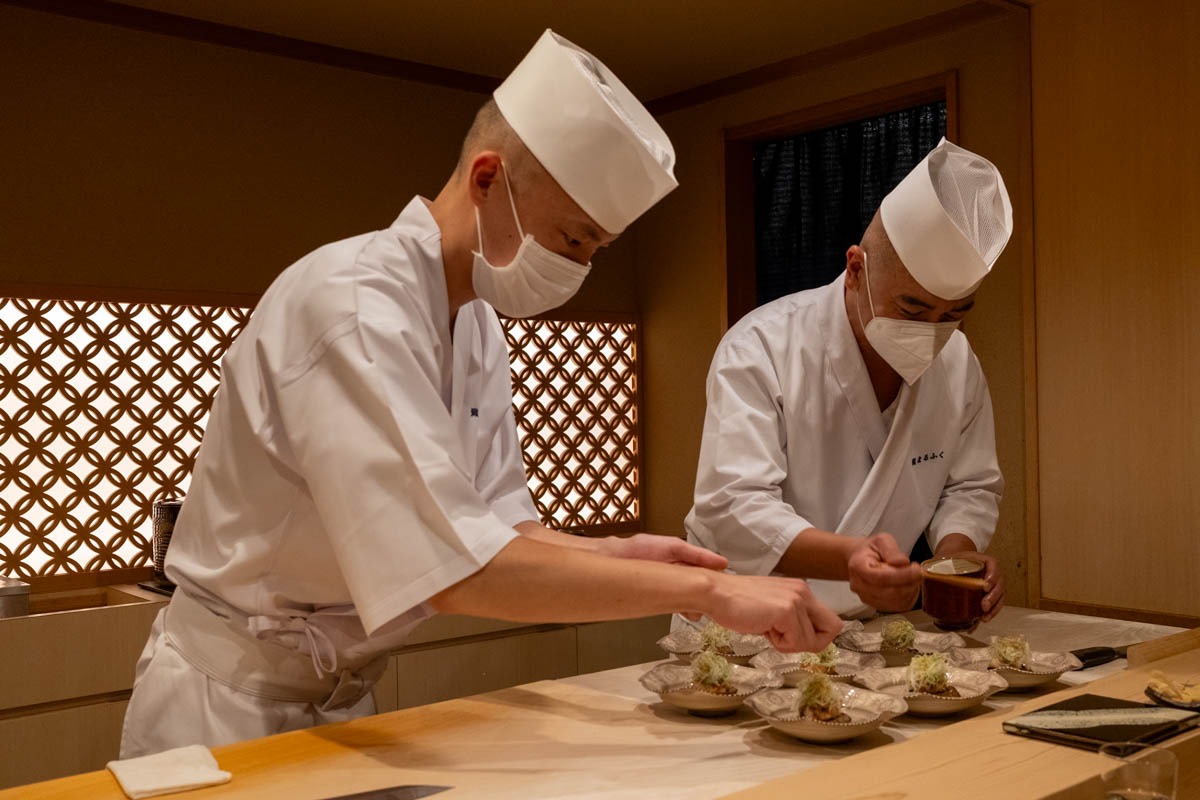
Chef Yutaka Isayama took over his family’s restaurant in 2011 to open Sushi Marufuku in Nishi-Ogikubo, focusing on aging seafood to concentrate flavour and texture.
Across a 20-course omakase menu, seafood sourced primarily from the Goto Islands is aged anywhere from one to four weeks via dry or vacuum techniques. Rice sourced from Akita and Niigata is blended with four vinegars. Matched with rare sakes curated by sommelier Madoka Isayama, it is a masterclass in modern sushi craftsmanship.
3-17-4 Nishiogiminami, Suginami City, Tokyo 167-0053
Sushi Zanmai
Sushi Zanmai is a reliable chain found throughout Tokyo. I visited the Asakusa branch, where seafood is prepared fresh to order in front of you at the counter. The menu features English translations, and highlights include the sea urchin (uni) and salmon roe rice bowl alongside a stunning selection of fresh nigiri. It’s not “the best” sushi you’ll find in Tokyo, but it hits the spot at the right price.
2 Chome−28−20 Asakusa, Taitō-ku, Tōkyō-to
Eel & Traditional Edo Cuisine
Tamai (Nihonbashi)
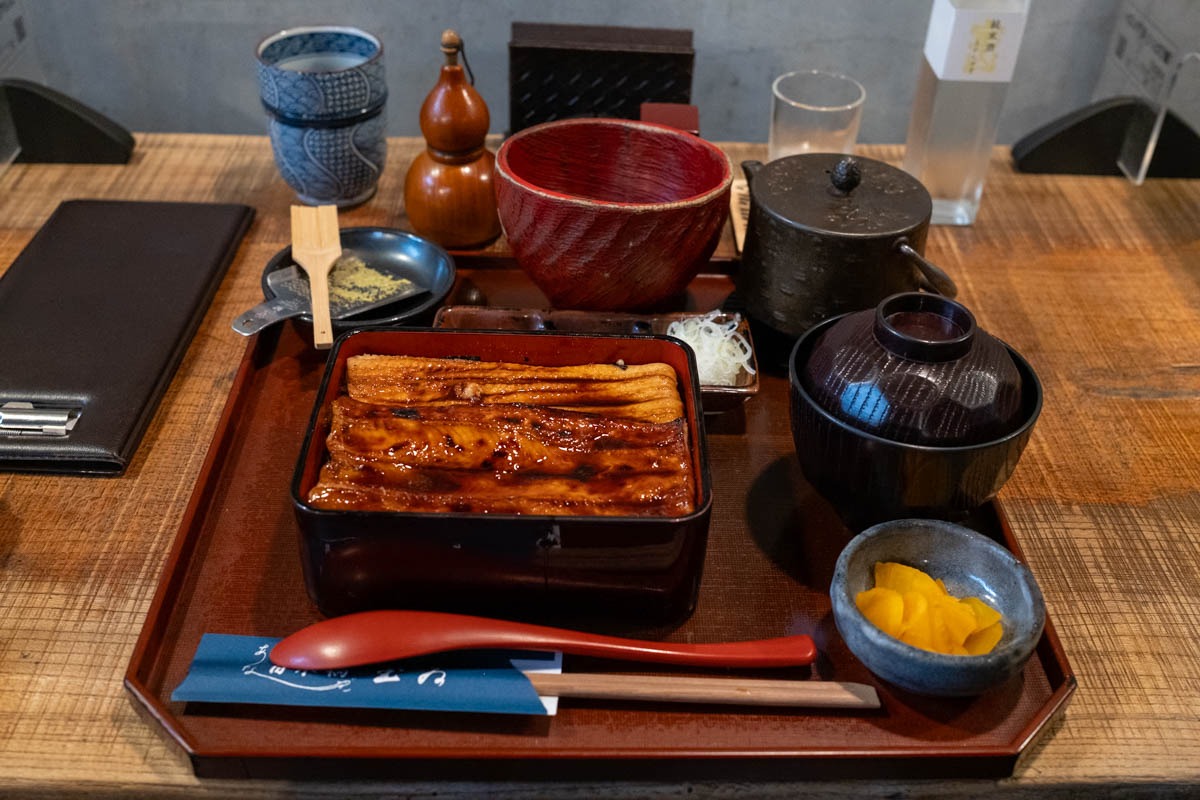
Tamai is housed in a historic 1953 wooden building in Nihonbashi, specialising in anago (saltwater conger eel native to Tokyo Bay).
Their specialty is *hakomeshi*: anago served in traditional lacquered boxes in the Edo-mae style. Diners choose their portion and cooking style—niage (simmered and soft) or yakiage (glazed and smoky)—or *ainose* for both. Each box is served with condiments like yuzu, sesame, wasabi, and sansho pepper. Highly recommended is adding the smoky anago bone dashi broth to create *ochazuke* at the end of your meal.
3-7-4 Nihonbashi, Chūō-ku, Tokyo 103-0027
Komakata Dozeu
Komakata Dozeu has operated in Asakusa since 1801, serving traditional Edo-period cuisine. Diners can sit on tatami mats on the ground floor or at tables upstairs.
The specialty is *Dozeu Nabe*: a shallow hotpot of freshwater loaches cooked gently over a small binchō-tan charcoal grill with a soy-and-bonito broth. Piled high with fresh spring onions and shichimi pepper, the texture is remarkably tender and mild.
1-7-2 Komagata, Taitō-ku, Tokyo 111-0043
Soba & Udon
Kanda Matsuya

Kanda Matsuya is a Tokyo institution serving Edo-style handmade buckwheat soba since 1884. The Taisho-style building dates back to 1924 and oozes historical character.
Shoulder-to-shoulder on rattan stools, diners enjoy *te-uchi* soba—freshly rolled and chopped by hand. The mori (served cold with tsuyu dipping sauce) and zaru (topped with nori) showcase springy, clean noodles that prove some traditions are best left untouched.
1-13 Kanda Sudachō, Tokyo 101-0041
Sukiyaki & Hot Pot
Yoshihashi
Yoshihashi is a Michelin-starred restaurant hidden down an unassuming side street, famed for high-end wagyu beef. While dinner exceeds ¥8,000, lunchtime offers 12 walk-in counter seats where you can secure an incredible sukiyaki set for around ¥2,000. Generous portions of tender, flavoursome wagyu beef and rice make it one of Tokyo’s great culinary bargains.
1 Chome-5-25 Motoakasaka, Minato-ku, Tōkyō-to
Yōshoku & Burgers
Deli Fu Cious

Deli Fu Cious was created by Michelin-trained sushi chef Shinya Kudo, who infuses traditional umami techniques—such as konbu-jime kelp curing—into high-end fish burgers.
Highlights include the Konbuzime Fish Burger served on a Japanese milk bun with thick tofu sauce, as well as the Boiled Conger Tempura Dog seasoned with sweet-salty nitsume sauce. Pair your burger with fries, slaw, beers, or highballs.
1-9-13 Higashiyama, Meguro-ku, Tokyo 153-0043
Hakuyotei Curry
Opened in 2022 in Akihabara, Hakuyotei Curry specialises in Japanese-style *karē*.
Ordering via a ticket machine, I opted for their signature pork cutlet curry. A panko-crumbed, high-quality Sangen pork cutlet sits atop white rice drenched in a thick, complex, and surprisingly spicy curry sauce. Garnished with salty fukujinzuke and sweet pickled rakkyo, it strikes a sublime balance of sweet and fiery notes.
1F, 1-1 Kanda Hanaokacho, Chiyoda City, Tokyo 101-0028
Seirinkan
Featured on Netflix’s Ugly Delicious, Seirinkan has spent 24 years perfecting Tokyo-Neapolitan pizza in Nakameguro.
Chef Tsubasa Tamaki bakes just two styles—Margherita and Marinara—in a wood-fired oven using Japanese cedar chips for a smoky umami finish.
2-6-4 Kamimeguro, Meguro-ku, Tokyo 153-0051
Wagyumafia District

Wagyumafia is renowned for offering the world’s finest wagyu. At Wagyumafia Burger, their accessible ground-floor venue serves the famous “Big Wag.”
Featuring two 100% single-source Ozaki beef patties cooked medium-rare on house-made sesame buns with organic American cheddar and secret sauce, it is a decadent burger experience. Pair it with their ultra-crispy truffle fries.
3-7-4 Jingūmae, Shibuya-ku, Tokyo 150-0001
Shōjin-Ryōri (Buddhist Temple Food)
Itosho
Itosho has served vegetarian Buddhist temple food since 1960 under the care of chef Hiroharu Ito. Removing your shoes at the entrance, you are ushered into a traditional tatami room with low floor seating.
The multi-course lunch features seasonal vegetables from across Japan, highlighted by *shojin-age*: six deep-fried vegetables and tofu coated in tiny crispy mochi-flour pebbles. Chef Ito’s warm hospitality makes it an unforgettable dining experience.
3 Chome-4-7 Azabujūban, Minato-ku, Tōkyō-to
Craft Beer Bars & Taprooms
Baird Taproom (Takadanobaba)
Baird Taproom is a contemporary take on a traditional Japanese *kominka* (old-style house) featuring worn timber, low ceilings, and a spacious patio.
With 20 taps featuring Baird core and seasonal brews—such as the Suruga Bay Imperial IPA—alongside an izakaya menu including Osaka-style kushiage, it’s a premier craft beer destination.
3-2-14 Takadanobaba, Shinjuku-ku, Tokyo 169-0075
Craft Beer Bar iBrew
Craft Beer Bar iBrew on the border of Ginza and Yaesu merges a traditional pub with an izakaya.
Boasting 40 rotating taps featuring Japanese craft beers alongside international labels like Founders and BrewDog, prices here are notably reasonable. Tasting flights and simple pub-meets-izakaya fare are available.
2-11-7 Yaesu, Tokyo 104-0028
Craft Beer Market (Kichijoji)

Craft Beer Market in Kichijoji features 30 taps with a competitive, uniform pricing structure (¥480 for a glass, ¥770 for a pint).
The Kichijoji branch pairs its extensive Japanese beer list with a Chinese-inspired food menu featuring noodles, char siu pork, and bao.
1-1-24 Kichijoji Minamicho, Tokyo 180-0003
Devil Craft
Opened in 2011 by American expats, Devil Craft in Kanda pairs an exceptional curation of Japanese and US craft beers with thick, Chicago-style deep-dish pizzas.
4-2-3 Nihonbashimuromachi, Chuo-ku, Tokyo 103-0022
Goodbeer Faucets
Goodbeer Faucets in Shibuya offers over 40 beers on tap with a focus on Japanese, American, and Belgian craft beers, accompanied by Western bar bites like wagyu steak and fries.
1-29-1 Shōtō, Shibuya-ku, Tokyo 150-0046
Hitachino Brewing Lab
Hitachino Brewing Lab occupies the restored Manseibashi station building, overlooking the Kanda River.
Featuring 10 taps pouring Kiuchi Brewery’s Hitachino Nest beers (including venue-exclusive brews and Espresso Stout), it also offers an internationally inspired food menu and hands-on brewing classes.
1-25-4 Kanda Sudachō, Tokyo 101-0041
Izakaya Beer Boy
Izakaya Beer Boy focuses on “rare and extreme” craft beers from Japan and around the world, served alongside yakitori and German-inspired spaetzle salad.
2-8-8 Kichijoji Minamicho, Tokyo 180-0003
Karakuri Craft Beer & Oden & Sake
Karakuri is a basement bar in Kanda pairing nine quality craft beer taps and rare sakes with exceptional dashi oden and izakaya small plates.
3-7 Kanda Kajichō, Tokyo 101-0045
Mikkeller Bar Tokyo

Mikkeller Bar in Shibuya offers 20 rotating taps featuring beers from Mikkeller and international and domestic craft breweries, alongside Danish smørrebrød and a famously quirky Rick Astley-themed bathroom.
2-19-11 Dōgenzaka, Shibuya-ku, Tokyo 150-0043
Titans Craft Beer Taproom & Bottle Shop
Titans across from Otsuka Station is a three-storey craft beer haven featuring North American imports, guest Japanese taps, and a massive fridge selection.
3-53-7 Minamiotsuka, Tokyo 170-0005
Watering Hole
Watering Hole in Sendagaya/Shinjuku is one of Tokyo’s original and most respected craft beer bars. It’s my go to whenever I’m in town. Featuring 21 rotating taps showcasing the best local and international beers, it serves everything from fresh IPAs to rare sours, paired with quality bar bites in a warm, welcoming neighbourhood setting.
5-26-5 Sendagaya, Shibuya-ku, Tokyo 151-0051
Cocktail & Record Bars
Bar High Five
Founded by world-renowned bartender Hidetsugu Ueno, Bar High Five in Ginza stands as a global institution of Japanese cocktail artistry. Tucked away in a intimate basement setting, the bar operates without a written menu. Instead, guests discuss their spirit preferences and mood with the bartenders, who use this info to create exactly the right drink for you.
B1F, Efflore Ginza5 Bldg, 5-4-15 Ginza, Chūō-ku, Tokyo 104-0061
BLOW UP

Opened by DJ Chintam in 2018, BLOW UP is a tiny 20-seat Shibuya bar and record store specialising in rare groove, soul, funk, and disco.
Guests enjoy drinks while guest DJs spin vinyl against walls lined with crates of rare Japanese records. With excellent cocktails, sake, highballs, and snacks, it’s a place you can easily spend an entire evening in.
106B, 1-15-3 Dōgenzaka, Shibuya-ku, Tokyo 150-0043
Jeremiah
Jeremiah is an award-winning bar in Shinjuku run by Keisuke Yamamoto, inspired by 19th-century New York saloons and paired with a classic hip-hop soundtrack.
Cocktails feature historical recipes with a Japanese twist, such as the Reviver Blazer (flaming umeshu and gin) and the Fatman’s Fashioned topped with maple bacon and a crispy waffle.
5-4-1 Shinjuku, Shinjuku City, Tokyo 160-0022
Land Bar Artisan
Hidden away on the 4th floor of the retro New Shimbashi Building, Land Bar Artisan is an intimate, cosy cocktail haven run by master bartender Daisuke Ito. Seats are limited to less than ten patrons, creating a quiet personal atmosphere. Ito-san builds custom cocktails tailored precisely to your flavour preferences—with a legendary reputation for fresh seasonal fruit-infused drinks and meticulously balanced classic gimlets.
New Shimbashi Bldg 412, 4F, 2-16-1 Shinbashi, Minato-ku, Tokyo 105-0004
Maishin
Maishin is a hidden basement izakaya in Shibuya where manager Takeuchi-san guides guests through an extensive sake collection—including rare seasonal brews—accompanied by pristine sashimi and tempura.
B1F, Suyama Building, 2 Chome-10-12 Dōgenzaka, Shibuya-ku, Tōkyō-to
Shinjuku Golden Gai

Shinjuku Golden Gai is a famous network of narrow, lantern-lit alleys packed with over 200 tiny, independent micro-bars. Yes, it’s undeniably popular and draws plenty of tourists, but there’s no denying that spending an evening bar hopping through here remains a whole lot of fun and a uniquely quintessential Tokyo night-out experience. Each spot fits only a handful of patrons—often centred around specific themes, music genres, or eccentric décor.
1 Chome-1 Kabukichō, Shinjuku-ku, Tokyo 160-0021
Coffee & Tea
Kappabashi Coffee
A specialist cafe near Kappabashi kitchen town offering single-origin pour-overs, siphon brews, and excellent dishes like yuzu cheesecake and matcha parfaits.
3 Chome-25-11 Nishiasakusa, Taitō-ku, Tōkyō-to
Koffee Mameya

Located in a quiet alleyway in Omotesando, Koffee Mameya is a unique specialty coffee concept store. Rather than acting as a traditional sit-down cafe, it operates more like a bespoke coffee bean boutique where expert baristas act as sommeliers, guiding you through an exceptional curated selection of beans from roasters around Japan and the world.
You can choose your preferred bean, roast level, and brewing method, and watch the baristas meticulously prepare your brew. It’s an intimate, minimalist space designed entirely around celebrating the origin and craft of coffee.
4-15-3 Jingumae, Shibuya-ku, Tokyo 150-0001
Ippodo Tea

Originating in Kyoto, 300-year-old Ippodo Tea offers an exquisite retail and tea-tasting experience in Marunouchi, where staff guide you through brewing high-grade green teas like gyrokuro and matcha.
3 Chome-1-1 Marunouchi, Chiyoda-ku, Tōkyō-to
Onibus Coffee
Onibus Coffee in Nakameguro roasts exceptional specialty coffee inside a beautifully designed space marrying traditional Japanese aesthetics with modern micro-roastery execution.
2-14-1 Kamimeguro, Meguro-ku, Tokyo 153-0051
Sarutahiko Coffee
Sarutahiko Coffee in Omotesandō is a bright, airy cafe located inside a bookstore and travel agent, serving exceptional single-origins and custom blends.
4-3-3 Jingūmae, Shibuya-ku, Tokyo 150-0001
Verve Coffee Roasters
Verve Coffee Roasters in Shinjuku brings a slice of Santa Cruz sunshine directly above Shinjuku Station, pouring brilliant espresso, nitro cold brews, and signature Tokyo honey-orange lattes.
Shinjuku Station, 5-5-24 Sendagaya, Shinjuku, Tokyo 160-0022
Department Stores & Essentials
Family Mart

Family Mart is an essential Japanese convenience store chain. Beyond reliable snacks, hot foods like fried chicken, onigiri, and egg salad sandos, Family Mart ATMs readily accept foreign cards for cash withdrawals.
Various locations across Japan
Depachika (Department Store Food Halls)
Japanese department store basement food halls (*depachika*) offer an astonishing array of high-end produce, bento boxes, and international concessions. Key spots include Shibuya Hikarie ShinQs, Takashimaya (Nihonbashi), Daimaru (Tokyo Station), Isetan (Shinjuku), and Mitsukoshi (Ginza).
Planning a trip around JAPAN? check out my Osaka Food Guide and Kyoto Food Guide for more tips.